

MyList AI灵感
清单库
数据收件箱
设置通用通知用量会员记忆链接收益导入连接

A Reading List on People, Context & Meaning

Users aren't personas — getting closer to the lived world of real people.

  1. Practical Empathy
    1
    Practical Empathy

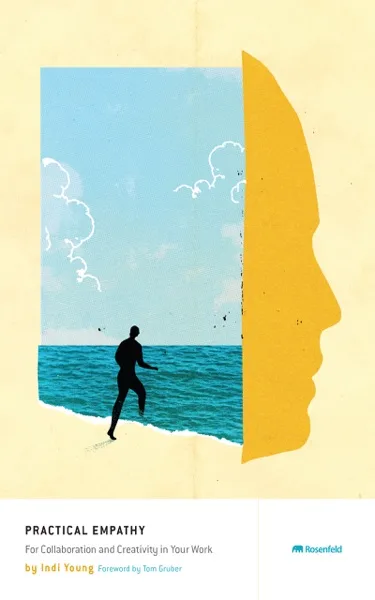
    It doesn't frame 'empathy' as a gentle gesture, but as a serious cognitive skill: can you set aside your own judgment and truly step into someone else's goals, hesitations, fears, and context.

  2. Mental Models
    2
    Mental Models

    If many user personas still stop at 'age, income, occupation, preferences,' this book pushes you deeper: why does a person do this? What task are they completing? What outcome do they truly care about?

  3. Interviewing Users
    3
    Interviewing Users

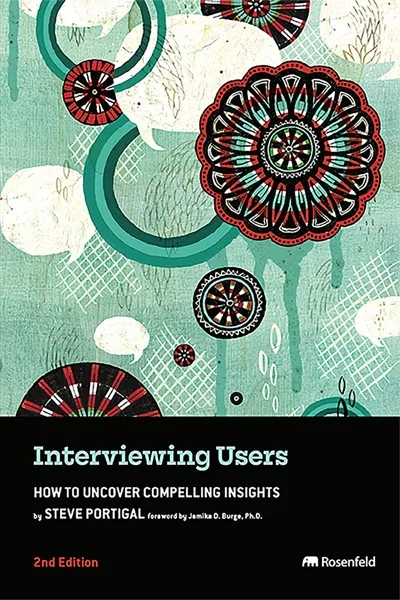
    It's not a 'list of interview questions' — it's about how a researcher stays open, sensitive, and restrained in real conversation.

  4. Doorbells, Danger, and Dead Batteries
    4
    Doorbells, Danger, and Dead Batteries

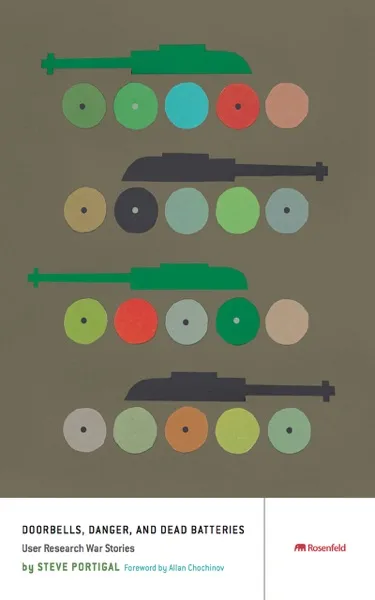
    An easily overlooked 'collection of user-research mishaps,' gathering the chaos, awkwardness, failures, and surprises researchers meet in the field.

  5. Observing the User Experience
    5
    Observing the User Experience

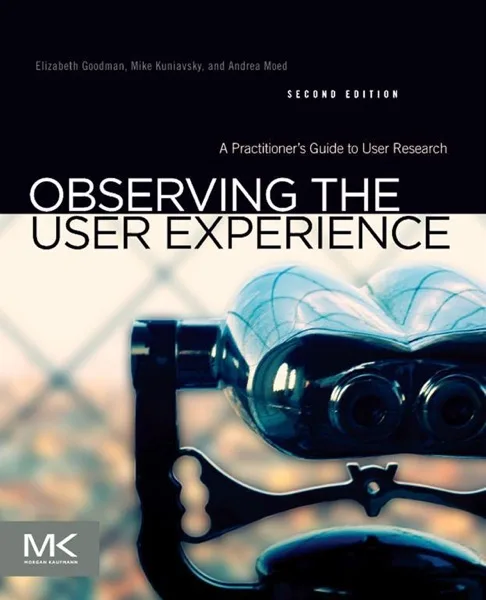
    It tries to bridge the gap between digital companies 'thinking they know their users' and the real user experience.

  6. Contextual Design
    6
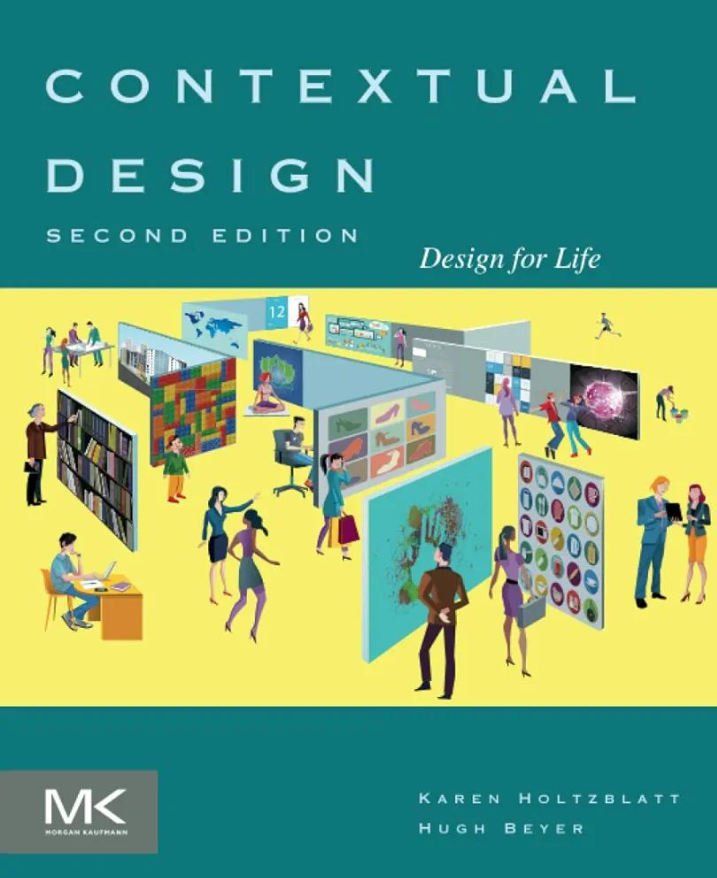
    Contextual Design

    I especially love its emphasis on the 'interpretation session': research isn't the researcher writing a report alone — it's the whole team digesting field data together into a shared judgment.

  7. The Moment of Clarity
    7
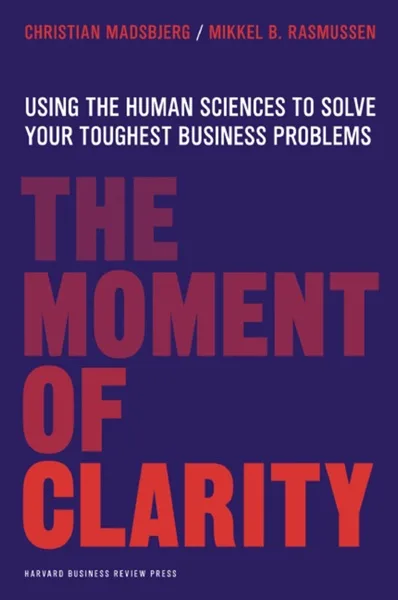
    The Moment of Clarity

    Closer to business anthropology and strategy consulting. It challenges a common misconception: that insight naturally follows once you have enough data.

  8. Sensemaking
    8
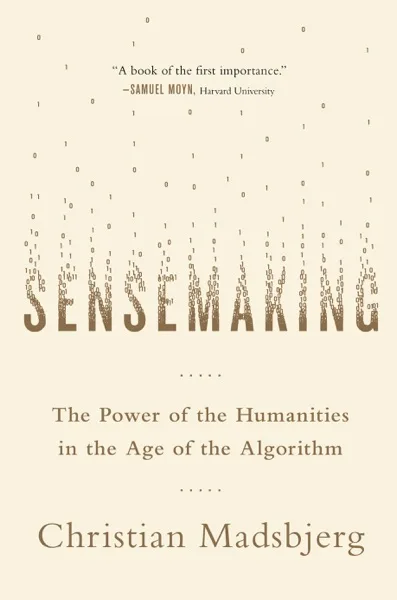
    Sensemaking

    If you work in AI, data analysis, consumer trends or strategy, this one's worth it most: why the humanities still matter in the age of algorithms, and why 'interpretation' deserves respect again.

  9. Making Meaning
    9
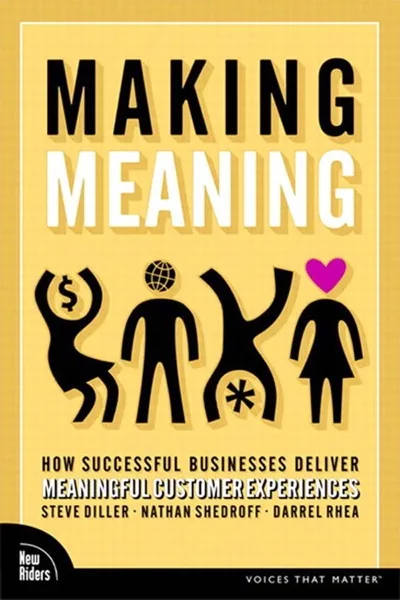
    Making Meaning

    An underrated book on brand and experience insight — especially useful for consumer brands, new retail, travel & culture, and lifestyle work.

young

A Reading List on People, Context & Meaning

Users aren't personas — getting closer to the lived world of real people.
  1. 1
    Practical Empathy
  2. 2
    Mental Models
  3. 3
    Interviewing Users
  4. 4
    Doorbells, Danger, and Dead Batteries
  5. 5
    Observing the User Experience
  6. 6
    Contextual Design
  7. 7
    The Moment of Clarity
  8. 8
    Sensemaking
  9. 9
    Making Meaning

A Reading List on People, Context & Meaning

Users aren't personas — getting closer to the lived world of real people.

  1. Practical Empathy
    1
    Practical Empathy

    It doesn't frame 'empathy' as a gentle gesture, but as a serious cognitive skill: can you set aside your own judgment and truly step into someone else's goals, hesitations, fears, and context.


  2. Mental Models
    2
    Mental Models

    If many user personas still stop at 'age, income, occupation, preferences,' this book pushes you deeper: why does a person do this? What task are they completing? What outcome do they truly care about?
  3. Interviewing Users
    3
    Interviewing Users

    It's not a 'list of interview questions' — it's about how a researcher stays open, sensitive, and restrained in real conversation.
  4. Doorbells, Danger, and Dead Batteries
    4
    Doorbells, Danger, and Dead Batteries

    An easily overlooked 'collection of user-research mishaps,' gathering the chaos, awkwardness, failures, and surprises researchers meet in the field.
  5. Observing the User Experience
    5
    Observing the User Experience

    It tries to bridge the gap between digital companies 'thinking they know their users' and the real user experience.
  6. Contextual Design
    6
    Contextual Design

    I especially love its emphasis on the 'interpretation session': research isn't the researcher writing a report alone — it's the whole team digesting field data together into a shared judgment.
  7. The Moment of Clarity
    7
    The Moment of Clarity

    Closer to business anthropology and strategy consulting. It challenges a common misconception: that insight naturally follows once you have enough data.
  8. Sensemaking
    8
    Sensemaking

    If you work in AI, data analysis, consumer trends or strategy, this one's worth it most: why the humanities still matter in the age of algorithms, and why 'interpretation' deserves respect again.
  9. Making Meaning
    9
    Making Meaning

    An underrated book on brand and experience insight — especially useful for consumer brands, new retail, travel & culture, and lifestyle work.

young

A Reading List on People, Context & Meaning

Users aren't personas — getting closer to the lived world of real people.

  1. 1
    Practical Empathy
  2. 2
    Mental Models
  3. 3
    Interviewing Users
  4. 4
    Doorbells, Danger, and Dead Batteries
  5. 5
    Observing the User Experience
  6. 6
    Contextual Design
  7. 7
    The Moment of Clarity
  8. 8
    Sensemaking
  9. 9
    Making Meaning

A Reading List on People, Context & Meaning

Users aren't personas — getting closer to the lived world of real people.

  1. Practical Empathy
    1
    Practical Empathy

    It doesn't frame 'empathy' as a gentle gesture, but as a serious cognitive skill: can you set aside your own judgment and truly step into someone else's goals, hesitations, fears, and context.

  2. Mental Models
    2
    Mental Models

    If many user personas still stop at 'age, income, occupation, preferences,' this book pushes you deeper: why does a person do this? What task are they completing? What outcome do they truly care about?

  3. Interviewing Users
    3
    Interviewing Users

    It's not a 'list of interview questions' — it's about how a researcher stays open, sensitive, and restrained in real conversation.

  4. Doorbells, Danger, and Dead Batteries
    4
    Doorbells, Danger, and Dead Batteries

    An easily overlooked 'collection of user-research mishaps,' gathering the chaos, awkwardness, failures, and surprises researchers meet in the field.

  5. Observing the User Experience
    5
    Observing the User Experience

    It tries to bridge the gap between digital companies 'thinking they know their users' and the real user experience.

  6. Contextual Design
    6
    Contextual Design

    I especially love its emphasis on the 'interpretation session': research isn't the researcher writing a report alone — it's the whole team digesting field data together into a shared judgment.

  7. The Moment of Clarity
    7
    The Moment of Clarity

    Closer to business anthropology and strategy consulting. It challenges a common misconception: that insight naturally follows once you have enough data.

  8. Sensemaking
    8
    Sensemaking

    If you work in AI, data analysis, consumer trends or strategy, this one's worth it most: why the humanities still matter in the age of algorithms, and why 'interpretation' deserves respect again.

  9. Making Meaning
    9
    Making Meaning

    An underrated book on brand and experience insight — especially useful for consumer brands, new retail, travel & culture, and lifestyle work.

young

清单中的事项

  • Practical EmpathyIt doesn't frame 'empathy' as a gentle gesture, but as a serious cognitive skill: can you set aside your own judgment and truly step into someone else's goals, hesitations, fears, and context.
  • Mental ModelsIf many user personas still stop at 'age, income, occupation, preferences,' this book pushes you deeper: why does a person do this? What task are they completing? What outcome do they truly care about?
  • Interviewing UsersIt's not a 'list of interview questions' — it's about how a researcher stays open, sensitive, and restrained in real conversation.
  • Doorbells, Danger, and Dead BatteriesAn easily overlooked 'collection of user-research mishaps,' gathering the chaos, awkwardness, failures, and surprises researchers meet in the field.
  • Observing the User ExperienceIt tries to bridge the gap between digital companies 'thinking they know their users' and the real user experience.
  • Contextual DesignI especially love its emphasis on the 'interpretation session': research isn't the researcher writing a report alone — it's the whole team digesting field data together into a shared judgment.
  • The Moment of ClarityCloser to business anthropology and strategy consulting. It challenges a common misconception: that insight naturally follows once you have enough data.
  • SensemakingIf you work in AI, data analysis, consumer trends or strategy, this one's worth it most: why the humanities still matter in the age of algorithms, and why 'interpretation' deserves respect again.
  • Making MeaningAn underrated book on brand and experience insight — especially useful for consumer brands, new retail, travel & culture, and lifestyle work.
App